From paper to Platform: How Frankfurt University of Applied Sciences Built a Seamless Digital Workflow in WISEflow
OVERVIEW
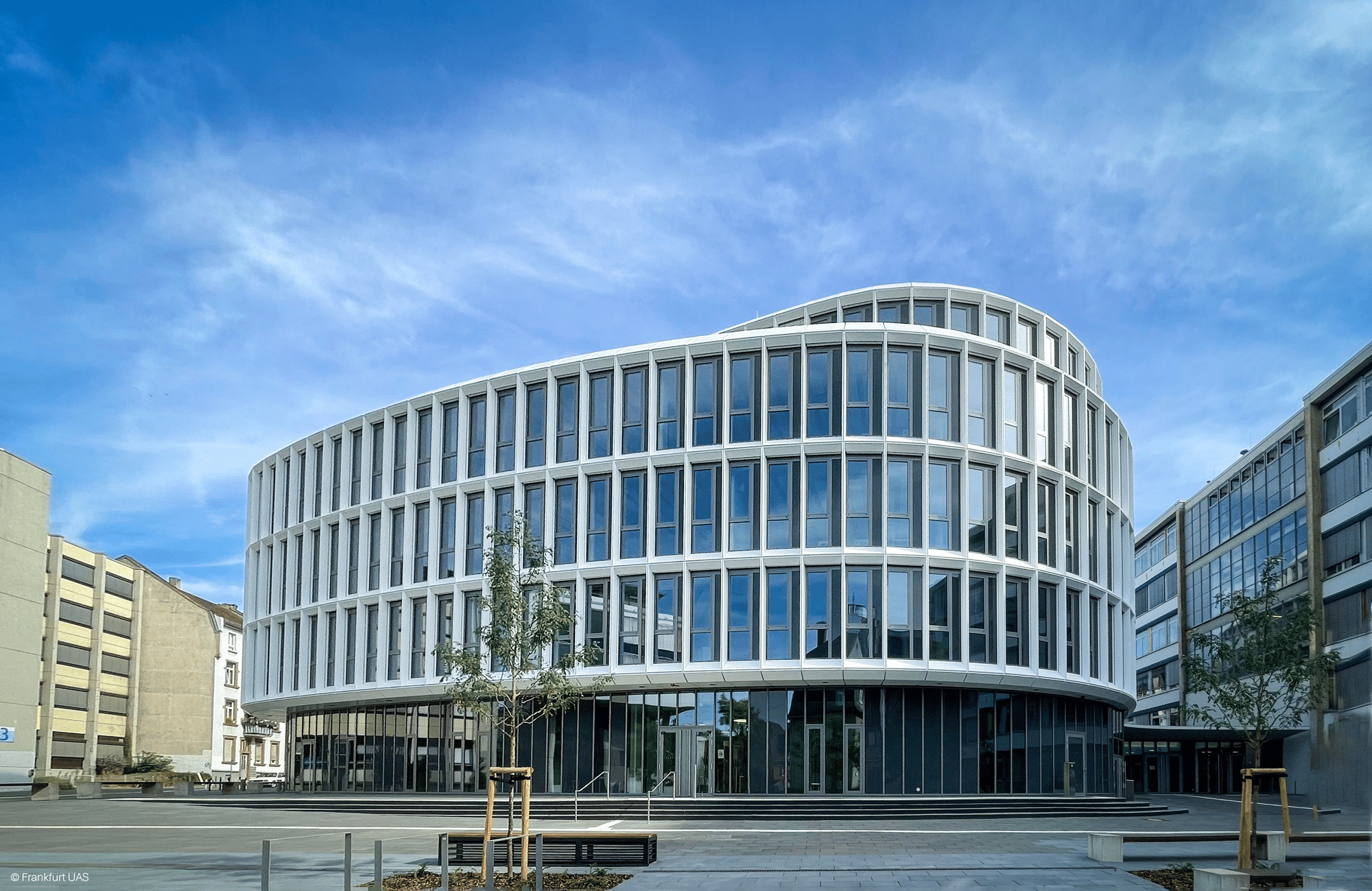
Frankfurt University of Applied Sciences has modernised one of its most administratively demanding workflows by integrating its internal exam management system, peregos, directly with WISEflow. What began as a pandemic driven challenge is now a streamlined and fully digital thesis process that removes paper, reduces manual work and delivers complete transparency for students, assessors and administrators.
CHALLENGE
Before the integration, thesis management relied on printed submissions, handwritten signatures and repeated data entry across disconnected systems. The process was slow, error prone and difficult to track. The faculty needed a faster and more reliable digital workflow. As Dietmar Franzen, Dean of the Faculty of Business and Law at Frankfurt University of Applied Sciences, explains:
"The pandemic showed us painfully that traditional workflows simply were not sustainable anymore."
SOLUTION
The university built peregos as its central hub for thesis and exam data, grounded in a clear principle that data should only be entered once. Through a robust API integration, peregos automatically exports all relevant thesis information to WISEflow, including student information, assessors, deadlines and flow settings, without any manual steps. Assessors and examination board members approve applications digitally with a single click. Once approved, WISEflow creates the flow and assigns all stakeholders automatically. A daily synchronisation keeps both systems aligned and ensures consistent information for everyone involved.
Dietmar Franzen summarises the thought behind the design:
"I like this concept from information sciences, DRY: don’t repeat yourself. Do things once and let the machines take care of the rest."
INNOVATION AND IMPACT
Frankfurt’s approach stands out for its commitment to genuine digital transformation. Instead of recreating paper processes online, the team redesigned the workflow entirely, removing outdated steps and building automation where it matters most.
The results are substantial:
-
Approval times have shrunk from several days to only minutes.
-
Manual signatures, scanning, and email exchanges have disappeared.
-
Administrators no longer duplicate data entry, reducing the risk of errors.
-
Students and academic staff benefit from a transparent, predictable, and user-friendly experience.
-
The system structure is flexible enough to support other pre-assessment processes related to other assessment types.
The integration has been praised internally not only for improving efficiency but for creating a more reliable and less stressful environment for everyone involved.
CREATING AN INTEGRATION THAT FITS YOUR NEEDS
Frankfurt’s model shows what is possible when WISEflow’s API is used effectively, but it is not the only way forward. Institutions do not need to build a system like peregos to benefit from automation. The API is flexible and can support many different approaches.
Some institutions may prefer connecting WISEflow directly to their student information system (SIS) to automate enrolments or push grades back. Others may build a small middleware service that automates only one task, for example flow creation or assessor assignment. Institutions may choose to start with a single workflow element such as thesis approvals and extend the setup over time. It is also possible to trigger WISEflow actions from existing portals or faculty dashboards.
The core message is simple. Frankfurt’s system is one example. Each institution can choose the level of automation that fits its own environment and use the API to build exactly what it needs.
KEY TAKEAWAYS:
-
Efficiency: Approval times have been reduced significantly and administrative workload is lower.
-
Accuracy: Peregos provides a single source of truth with no duplicate data entry.
-
Transparency: All stakeholders can tracK progress in real time.
-
Scalability: The existing solution can leverage the API for other, less complex.
-
Flexibility: Institutions can automate selectively and do not need to replicate Frankfurt’s system.
LOOKING AHEAD
The university is preparing to adopt its new campus management system, which will create opportunities for further automation. Additional faculties are already preparing to adopt the peregos and WISEflow integration. Notably, this integration is not limited to thesis workflows; it is also suitable for a range of other assessment types, enabling broader application across the institution.
CONCLUSION
Frankfurt University of Applied Sciences has created a strong example of thoughtful digital transformation. By combining a data-first internal system with the flexibility of the WISEflow API, the university has built a faster and more reliable thesis workflow that benefits students, assessors and administrators.
Their work highlights an important point for other institutions. Automation does not need to be complex or identical to Frankfurt’s model. The WISEflow API gives institutions the freedom to design the workflow that makes the most sense for their environment, whether it resembles peregos or something entirely different.
FREQUENTLY ASKED QUESTIONS
Before integrating peregos with WISEflow, thesis workflows relied on printed submissions, handwritten signatures, and repeated data entry. These manual processes were slow, error‑prone, and difficult to track — especially during the pandemic, which exposed the limits of traditional workflows.
Peregos acts as the central hub for thesis and exam data. Through API integration, it automatically exports all necessary information, including students, assessors, deadlines, and flow settings, to WISEflow. Approved applications trigger automatic flow creation, and daily synchronisation keeps both systems fully aligned.
The digital workflow dramatically reduced approval times from days to minutes, eliminated paper‑based signatures, removed duplicate data entry, reduced errors, and provided a transparent, user‑friendly experience for students and assessors.
No. Frankfurt’s solution is one example, but institutions can automate selectively. WISEflow’s API supports multiple approaches, from connecting directly to a student information system, to building small middleware tools, or automating just one workflow element such as flow creation or assessor assignment.
Yes. The model has already proven flexible enough for expansion. Additional faculties at Frankfurt University of Applied Sciences are preparing to adopt the integration, and future campus management upgrades will open even more opportunities for automation.
WANT TO GET IN TOUCH WITH AN EXPERT?
Get in touch and book a demo to learn more about how UNIwise can support you on your digital assessment journey.