
WISEcon 2019: beyond the standard written exam
Highlights from WISEcon 2019 on moving beyond the written exam with practice-based, multimedia and virtual reality assessment, and the role of data analytics.
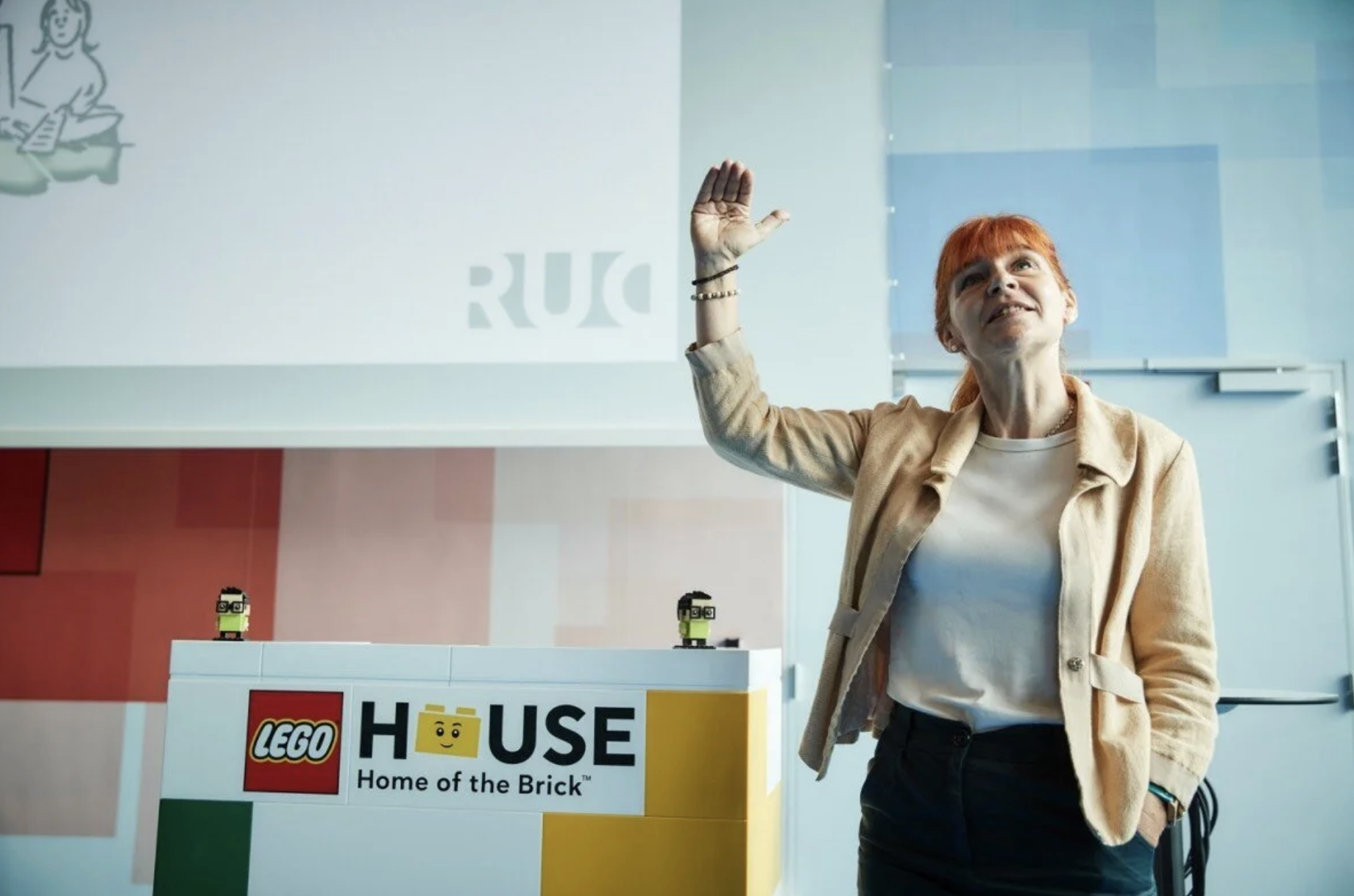
What constitutes a good exam?
Hanne Leth Andersen, Vice-Chancellor at Roskilde University, has a clear opinion: The recipe for a good exam consists of alignment between the teaching methods, the learning objectives, and the types of assessment.
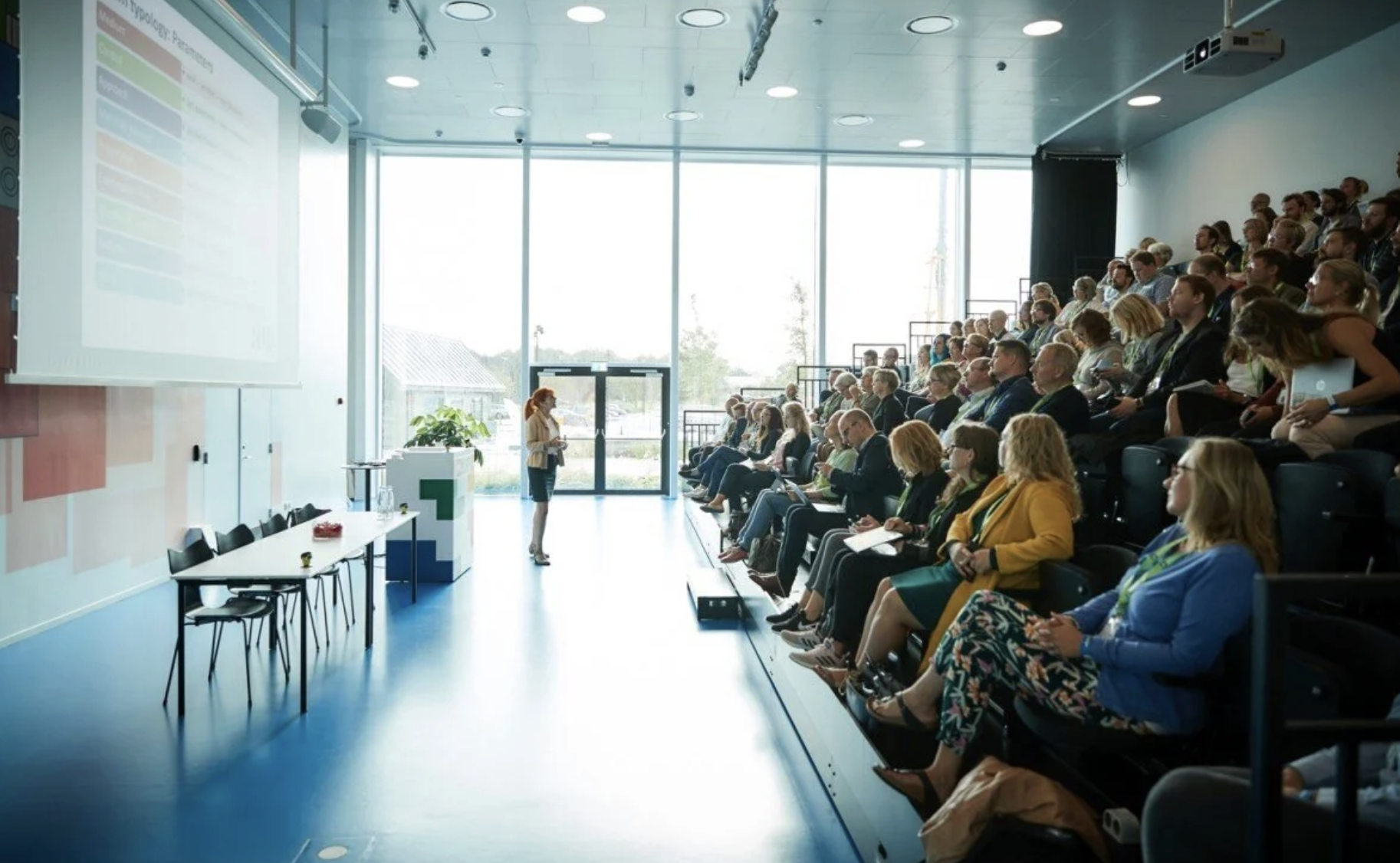
All participants at WISEcon 2019 listening to the opening presentation by Vice-Chancellor Andersen
Accompanying every exam is an assessment process. Andersen identified four types of assessment: Diagnostic assessment which takes place at the beginning of the course; integrative assessment including feedback utilised to influence the students’ future learning; formative assessment with continuous assessment throughout the duration the course; and finally, summative assessment at the end of the course. Formative and especially summative assessment are the most easily applied and by far the most commonly used in higher education, however, diagnostic assessment can serve as a means to provide insight into the individual student’s abilities at the beginning of a course and integrative assessment, in turn, has the possibility to embrace more innovative exam forms.
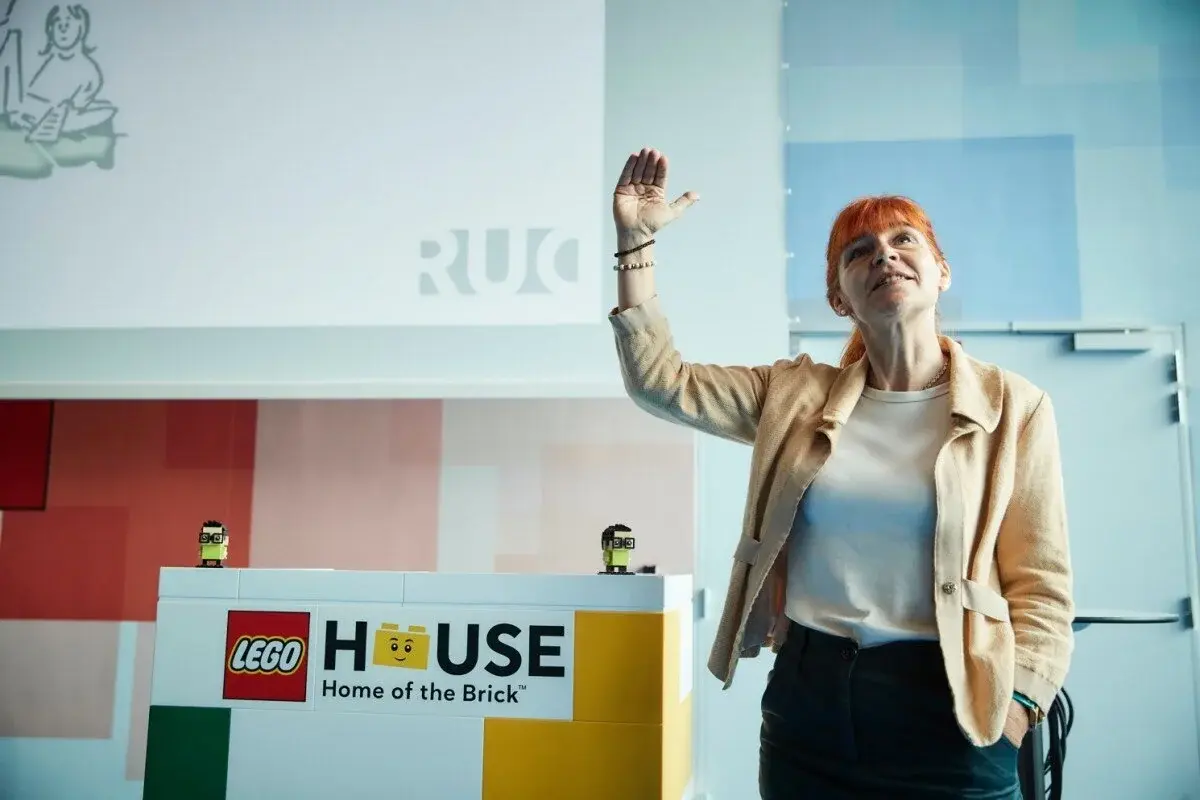
Hanne Leth Andersen, Vice-Chancellor at Roskilde University, presenting at WISEcon 2019.
Generally, in assessment, various underlying conditions determine what kind of assessment fits best with the individual course’s content. For one, validity and reliability play an important role: There must be an alignment between the course objectives, the operational demands for the exams and the assessment guidelines to create assessment validity. Furthermore, the assessment practice must be precise and consistent to claim reliability. Secondly, the economy of the assessment practice must be taken into consideration, because the individual institutional resources, rules, and regulations strongly influence the choice of exam types and following the assessment practice. Thirdly the assessment form must somehow respond to the skills required by the student to possess in later work life, thereby creating a form of authenticity between education and work life.
Beyond the standard written exam: WISEflow for practice-based courses and virtual reality
“What standardised testing can’t measure is difference. It can’t measure innovation; it can’t measure thinking out of the box."
— Douglas Thomas, 2019
Arts University of Bournemouth (AUB) did a presentation at WISEcon 2019 focusing on how they have implemented WISEflow as a university of arts. With an artistic mindset, AUB spoke to the quote of Douglas Thomas, proving how digital assessment platforms indeed can be an integrated part of testing and assessing innovation, creativity, or in other words thinking outside the box. With a palette of courses in the fields of media, performance, architecture, design, and art, AUB hosts exams where they assess various artefacts, digital or non-digital products, performances, and alike.
But how does AUB do this in practice? They use three types of flows: FLOWhandin, FLOWassign, and FLOWattend. FLOWhandin is used for various creative artefacts and products that can be digitally submitted, for written exams, FLOWassign is utilised, and lastly is FLOWattend’s assessment module the collaborator in exams involving performances. This case of AUB is proof of how digital exams and assessment platforms are not incompatible with exams in art and thus emphasises that the assessment of innovation and creativity is possible within the scope of digital assessment platforms. AUB themselves said at their presentation, that by implementing and using a digital exam and assessment platform the work processes for their staff have been both simplified and optimised.
Alison Aspberry, Head of Quality and Standards at Arts University Bournemouth
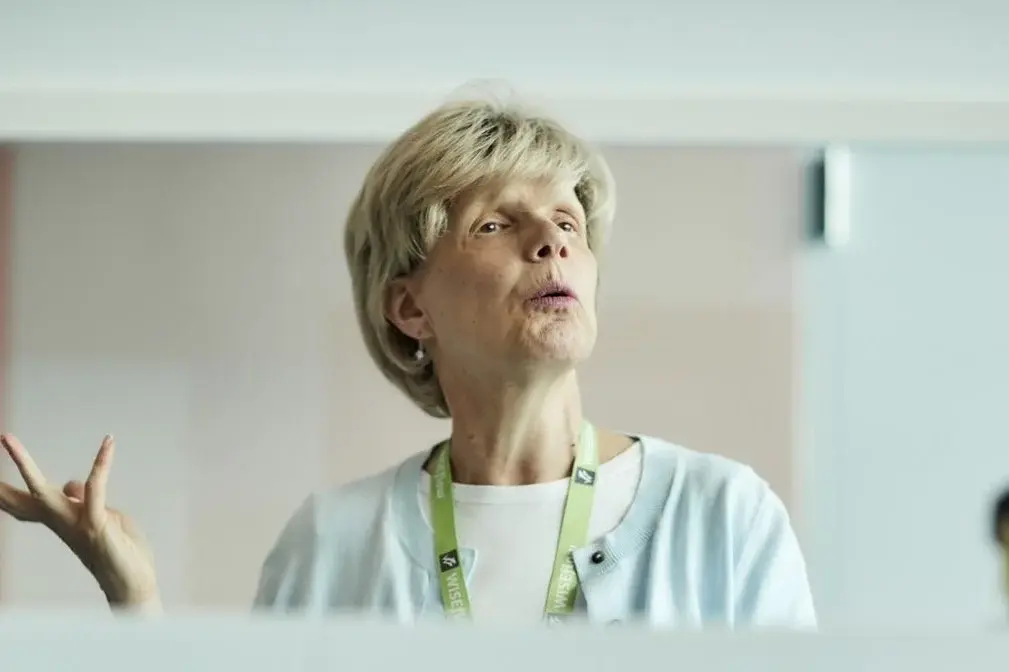
Alex Bradbeer, Senior Systems Administrator in Digital Learning at Arts University Bournemouth
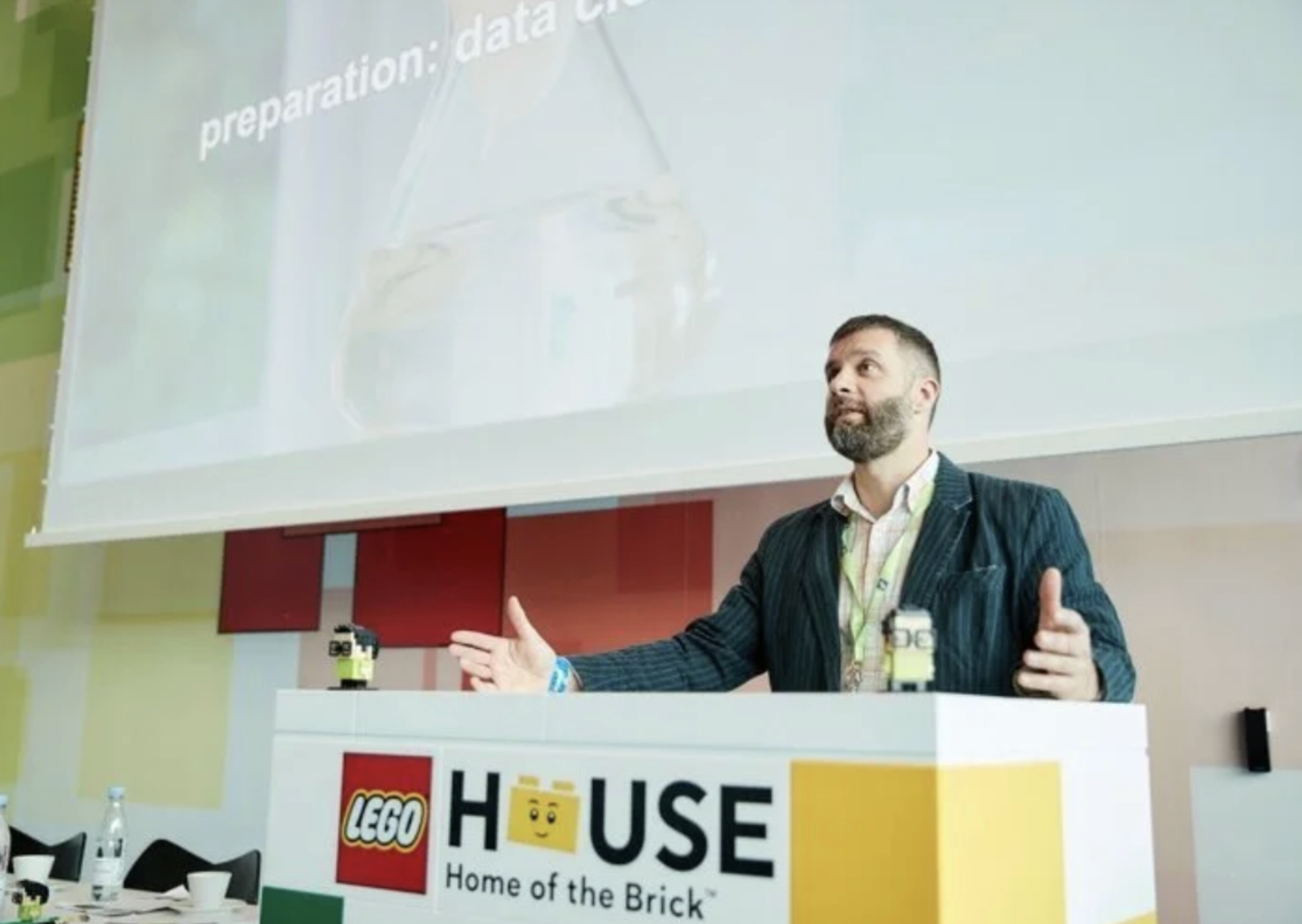
With a slightly different approach to thinking out of the box, Leo Park CEO at DUCOgen in South Korea, at WISEcon 2019 outlined how Virtual Reality equipment can be used in partnership with a digital exam and assessment platform. Leo showed how WISEflow could be used as a tool for answering questions put forward in the VR-Tasks by for instance showcasing still-pictures and video recordings from the VR-Universe in WISEflow with an attached multiple-choice or short text question. The use of VR-equipment in digital exams makes especially good sense when a simulation of a real-life situation is included in the exam. Some examples Leo provided were fixing technical problems at a ship included in an exam for mechanical engineers or a simulation of surgery for medical students. With a basis in interactive learning, Leo strives for creating memorable and highly relevant learning experiences in cooperation with digital examination and assessment.
These are only some of the interesting points from WISEcon 2019, and soon you can read additional blog posts regarding the conference for instance about data analytics, personalised study advice and cheating by the use of third-party programs and cheating in digital exams. If we have evoked your interest in how to move beyond the standard written exam our website contains many other interesting blogs about digital examination and assessment. For a non-committable conversation about your institution’s examination practices or a demonstration of our digital examination and assessment platform WISEflow, we encourage you to contact one of our UNIwise branches in Denmark, Norway, or the UK.
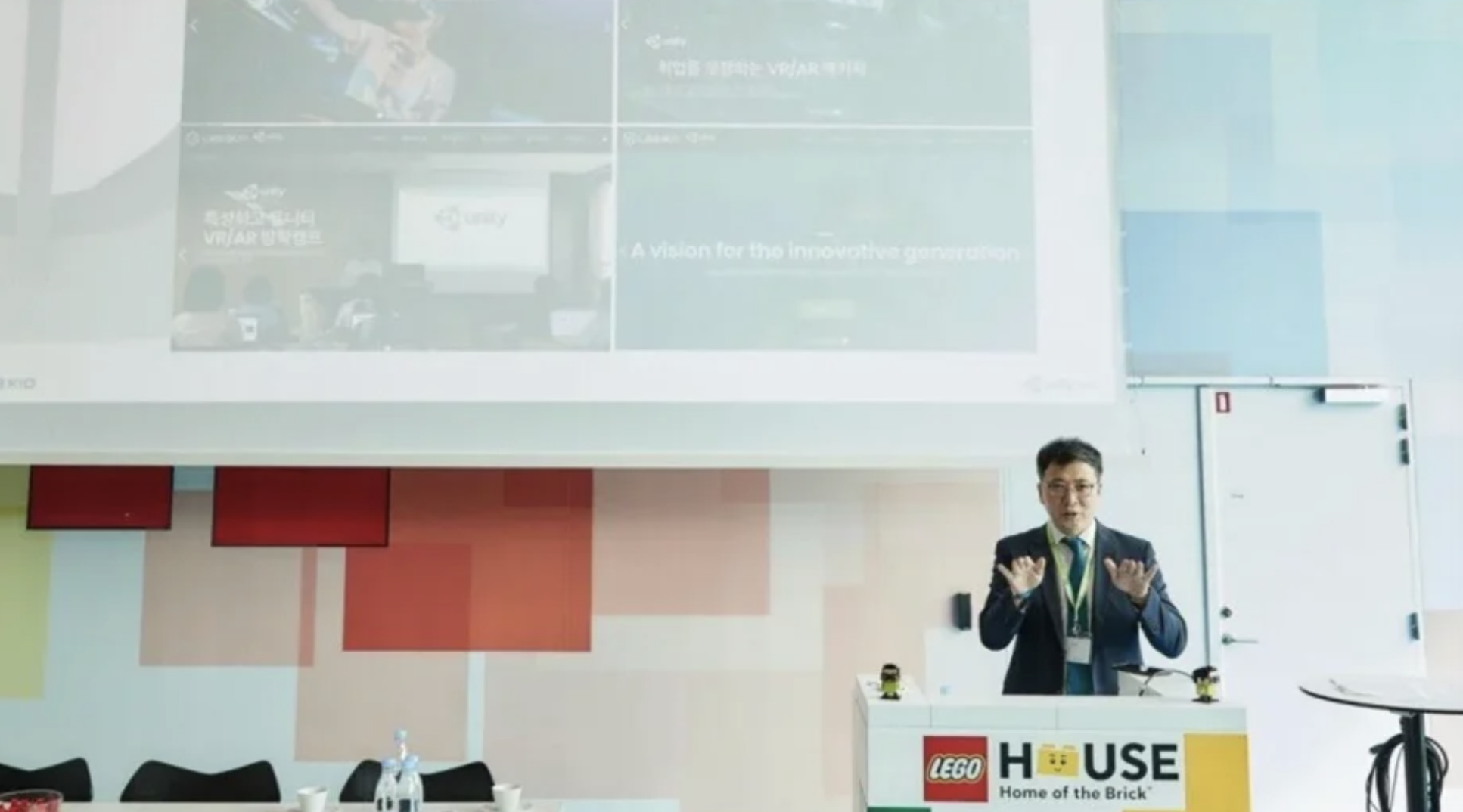
Leo Park, CEO at DUCOgen in South Korea, showcasing how Virtual Reality equipment can be used in digital exams
We are here to help
Whether you are just starting with digital assessment or want to get more out of it, we are happy to share how other institutions run it in practice. Please reach out or request a demo.
Frequently asked questions
A good exam aligns teaching methods, learning objectives, and assessment formats. According to Roskilde University’s Vice‑Chancellor, Hanne Leth Andersen, this alignment is key to validity, reliability, and meaningful evaluation of student learning.
Four types were highlighted: diagnostic assessment, integrative assessment, formative assessment, and summative assessment. While summative and formative assessments are common, diagnostic and integrative approaches offer opportunities for more innovative exam formats.
Digital exams allow institutions to assess real‑world skills through creative artefacts, performances, simulations, and tool‑based tasks, making assessment more closely aligned with professional practice and future work environments.
AUB used different WISEflow flows for different exam types: FLOWhandin for creative artefacts, FLOWassign for written exams, and FLOWattend for performance‑based assessments, demonstrating that digital platforms can support arts and creativity.
By analysing exam data such as writing patterns, timing, and student activity, institutions can gain insights that help refine exam design, improve assessment quality, and better understand learning behaviours.
Virtual reality can simulate real‑life scenarios, such as technical repairs or medical procedures, and feed evidence (images or video) into digital assessment platforms, enabling immersive and highly relevant exams not possible with pen‑and‑paper methods.