Ask and you shall receive: student perspectives on AI
How students view generative AI in higher education, what concerns them, and how universities can respond with clear guidance and better assessment design.
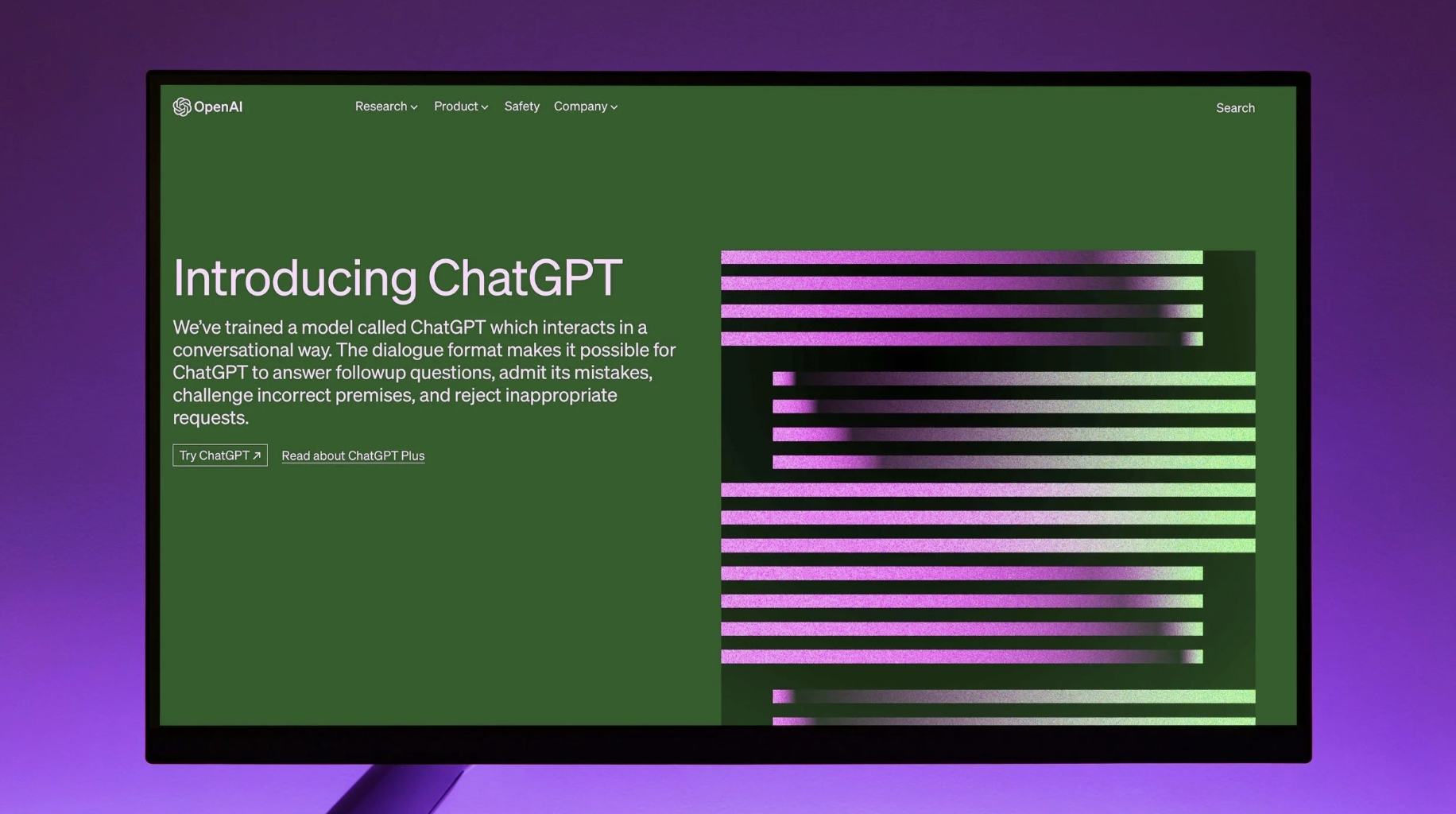
If you didn’t know what generative AI was 12 months ago, you almost certainly do now with the emergence of tools such as ChatGPT, and developments in the field of AI show no sign of slowing down. Countless platforms, organisations and institutions within the HE sector have given their two cents on the matter, but what about our students?
The UK Government’s National AI Strategy defines AI as ‘machines that perform tasks normally performed by human intelligence, especially when the machines learn from data how to do those tasks.’ AI can undoubtedly enhance the academic experience, but it can also replace authentic learning – this is where many of the controversies surrounding technology such as ChatGPT stem from.
In the early months there were countless stories of near panic in education institutions, for example, colleges in Canada going ‘full-on crisis mode’ after catching dozens of students using generative AI, and hundreds ofUK university students facing probes into cheating due to their use of ChatGPT and similar tools.
The fact of the matter is that while generative AI tools exist, they are going to be used in some form or another. There is a growing acceptance that there is no going back. As a spokesperson at the University of Queensland comments, ‘build a 10-foot wall, and students will bring an 11-foot ladder.’
However, the reality does not need to be an arms race between academics and students.
In the UK, JISC has recently been gauging students’ thoughts and perspectives on AI. One key component of this has been holding forums to gauge student opinions, and these ‘showed that many students were already using generative AI in a wide range of ways to help with their work.’
Students were found to already be engaging in the use of generative AI as a means of enhancing their learning, ‘including generating ideas, helping with structure, using it to help with grammar and wording, to provide feedback, and to help with research.’ Tools like ChatGPT can be used in a positive way to help students, with the sector needing to listen to them and take their feedback onboard.
Students' thoughts on generative AI
So, what are students’ thoughts on generative AI? JISC’s recent ‘AI in tertiary education’ report found that concerns identified by students could be grouped into the following categories:
- Informationliteracy – uncertain of how to distinguish real from AI-generated content
- Datasecurity – a limited understanding of how AI uses personal data
- Regulations – a need to establish boundaries and guidelines in the HE-sector
- Detector – fear of false plagiarism accusations
- Staffuse– transparency between staff and students and more competence training
- Equity – fair and free access to the same tools as everyone else
- Overreliance – too much focus on AI tools might hinder intellectual growth
- Employability/jobs – loss of future opportunities due to automation
As can be seen from this list of concerns, the reality is not that students are constantly looking for new ways to pull the wool over institutions’ eyes. In fact, they themselves are struggling to navigate a new and constantly changing digital world, with their own set of fears over what generative AI might mean for them, their studies and future use in the workplace.
What students really want is a clear framework for using generative AI – a set of transparent guidelines alongside support and advice from institutions regarding best practices. A key part of this is ensuring digital literacy for both staff and students across the HE sector, ‘including understanding the basics of generative AI, how it works, its advantages and disadvantages, as well as different uses.’
Why institutions should listen
So, we know what students want from their universities, but why should institutions listen?
It is clear that ChatGPT is here to stay, so by taking the perceptions of students into account, educators and policymakers are actually able to better tailor generative AI and its uses to address students’ needs, all while promoting effective learning outcomes.
If everyone is going to start using AI anyway, why not choose to use it for the good of your students? University College London recently suggested that ‘educators and universities should adapt their assessment strategies and questions to stimulate critical thinking, thereby promoting a better and more responsible use of AI tools in academia.’ Some of our WISEflow customers, such as Bucerius Law School in Hamburg, have 'chosen to incorporate ChatGPT as a tool and to take a liberal approach,’ such as creating a referencing guide to promote best practices and teaching students about what AI means for their studies. As LezelRoddeck, Director, Foreign Language Communication, told us: “you need to think ‘how can I develop how I teach?”
AI can be used to the benefit of students, but it could prove just as helpful to faculty staff in future by not only aiding in tasks such as marking and feedback, but also supporting better assessment design and personalising assessment to better suit individual learning outcomes on a student-by-student basis. In another recent JISC forum led by Sue Attewell, Head of AI and Codesign, students were found to have advocated for a redesign of assessments to meet their needs, with a stronger emphasis on creativity and critical thinking rather than rote memorisation.

Digital tools such as ChatGPT don’t need to be the bogeyman of the higher education sector, but until we start an open and consistent dialogue with students, this may continue to be the reality. By partnering with students, taking their voices on board, listening to their concerns and acting accordingly to offer transparent and tailored support, the sector can harness the power of AI to everyone’s benefit.
We are here to help
Whether you are just starting with digital assessment or want to get more out of it, we are happy to share how other institutions run it in practice. Please reach out or request a demo.

Frequently asked questions
Students use tools like ChatGPT to generate ideas, improve structure, check grammar, get feedback, and support research. Many see AI as a way to enhance learning rather than replace it.
According to JISC, students worry about information accuracy, data security, unclear regulations, false plagiarism accusations, equitable access, overreliance on AI, and future employability in an automated world.
Early reports of cheating and misuse contributed to fear and uncertainty. However, growing research shows that students mainly want guidance, not loopholes, and see AI as a learning aid, not a shortcut.
Students want clear, transparent guidelines on how AI can be used ethically, alongside practical support, training, and increased digital literacy for both staff and students.
AI can support idea generation, improve writing, offer personalised feedback, and help students understand their own learning needs. For staff, it holds potential for better assessment design, feedback automation, and personalised learning pathways.
The blog suggests that banning AI is unrealistic. As one student noted: “Build a 10‑foot wall, and students will bring an 11‑foot ladder.” Instead, universities should embrace responsible use and set clear expectations.
Universities can adapt assessments to encourage creativity, critical thinking, and problem‑solving rather than rote memorisation. Institutions like UCL and Bucerius Law School have already begun integrating AI literacy and ethical use into teaching.
Students are the primary users of generative AI, so listening to their perspectives helps institutions create fair, relevant, and effective guidelines, ensuring AI supports learning rather than undermines it.