
Rethinking special arrangements in higher education assessment
How universities can rethink special exam arrangements to make assessment fair, scalable and inclusive through better planning and digital workflows.
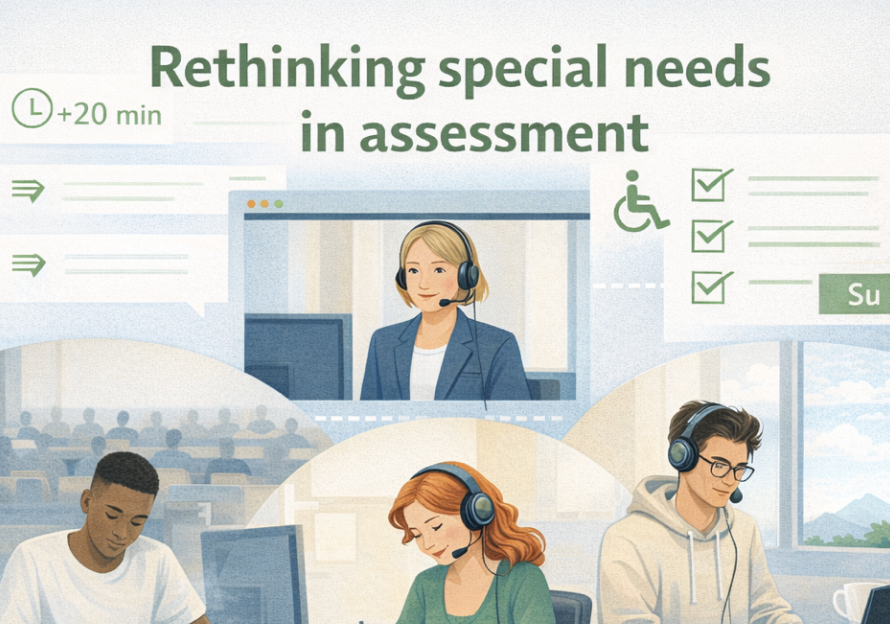
A recent Norwegian article highlighted a sharp rise in applications for specially arranged exams, including extra time and separate rooms. While the figures were reported in a Norwegian context, the underlying issue is not uniquely Norwegian.
Across Europe, higher education institutions are seeing growing demand for assessment arrangements that enable students to demonstrate what they know without being unfairly disadvantaged by the format, environment or timing of an exam. At the same time, universities are under pressure to uphold academic standards, improve the student experience and run assessment more efficiently.
Fairness does not mean sameness
This is an important distinction. Special arrangements should not be seen as concessions that dilute standards. In well-designed systems, they do the opposite: they protect the validity and fairness of assessment by removing barriers that are irrelevant to the competence being tested. Across the sector, guidance increasingly distinguishes between the competence being assessed, which must remain unchanged, and the way assessment is delivered, which may need to be adapted in order to ensure equitable access.
Fairness in assessment is not about treating every student in exactly the same way; it is about ensuring that every student has a fair opportunity to demonstrate achievement against the same academic expectations.
Why demand is rising
The increase in demand for special arrangements should therefore not surprise us. More students are disclosing disabilities, neurodivergence, long-term health conditions and other circumstances that can materially affect their performance in traditional exam settings. Evidence across Europe shows increasing numbers of students seeking or receiving reasonable adjustments, while wider European work on accessibility continues to underline that higher education still presents significant barriers for many learners. In practice, the most common forms of support are often relatively straightforward: extra time, rest breaks, alternative venues, assistive technologies, accessible digital formats, and administrative processes that ensure support is applied consistently and on time.
Making adjustments work at scale
This is where digital assessment platforms become especially important. The challenge is not only deciding which arrangements are appropriate; it is operationalising them reliably and at scale. When institutions are managing hundreds or even thousands of individual adjustments during a busy exam period, manual processes quickly become both a bottleneck and a risk. In that context, the ability to apply approved extra time, support alternative administrative set-ups and manage candidate-specific workflows in a structured way becomes essential. It allows institutions to move special arrangements out of the realm of ad hoc exceptions and into the centre of well-governed, routine assessment operations.
For institutions, that matters not just from an inclusion perspective, but from an operational one too. The more adjustments are handled systematically, the more confidently institutions can combine fairness, consistency and efficiency. That is where platforms such as WISEflow can make a meaningful difference: not by changing academic requirements, but by helping universities deliver approved support in a way that is controlled, scalable and manageable.

Rethinking where students sit their exams
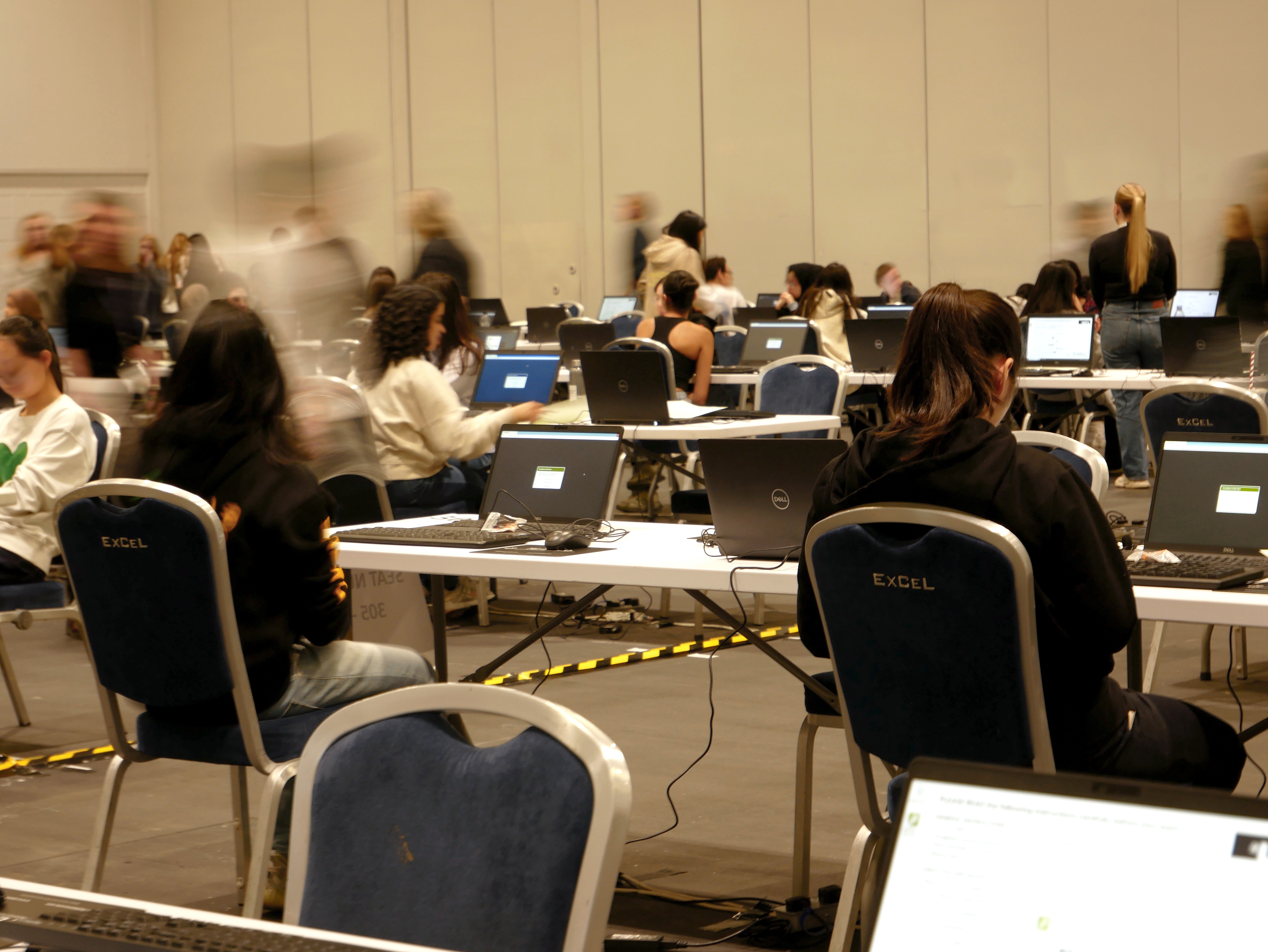
There is also another dimension that deserves more attention: where students sit their assessments. Not every learner can sit comfortably in a large exam hall. Some need a low-distraction environment. Some need a smaller supervised room. Others may, for medical, psychological or practical reasons, need to complete an assessment from home or another isolated location. Sector guidance already reflects a wide range of accommodations, including separate venues, remote exam adjustments and accessible online delivery. As assessment continues to evolve, the issue is no longer whether this flexibility is possible, but how institutions provide it in a way that remains secure, fair and humane.
Building in-house proctoring capacity
This is where remote proctoring can be particularly valuable - not as a blunt surveillance tool, but as a targeted support mechanism. For students who cannot sit with others, or who need to be assessed from home, it can be far more effective to bring them together under a shared live proctoring model than to try to recreate fully staffed local supervision in multiple isolated settings. A common proctor can provide oversight, guidance, reassurance and procedural support, while helping institutions maintain consistency across dispersed candidates. In the right use cases, this is not only more scalable; it can also be more inclusive.
At the same time, institutions should aim, wherever possible, to build this capability in house rather than rely entirely on external proctors. Using trained institutional staff helps maintain trust, strengthens internal competence and makes remote invigilation part of the university’s own assessment preparedness and resilience. It also enables institutions to build experience and confidence over time, rather than treating remote proctoring as something outsourced and unfamiliar. That matters all the more because remote invigilation must be handled carefully, with clear attention to accessibility, privacy, transparency and proportionate use – not least GDPR compliance.
From reactive exceptions to planned capability
For many institutions, this is ultimately about moving from a reactive to an anticipatory model. Special arrangements should not sit at the margins of assessment policy, handled as a series of individual exceptions. They need to be built into the design of digital assessment, institutional workflows and exam operations from the outset. That means combining clear policy, sound academic judgment and flexible technology. It also means recognising that inclusion and efficiency are not competing goals.
In fact, the better institutions become at managing approved adjustments systematically, the more both students and staff benefit. Sector guidance increasingly points to the value of planned, anticipatory approaches to reasonable adjustments, not only because they are more inclusive, but because they are also more sustainable operationally.
A core capability for modern assessment
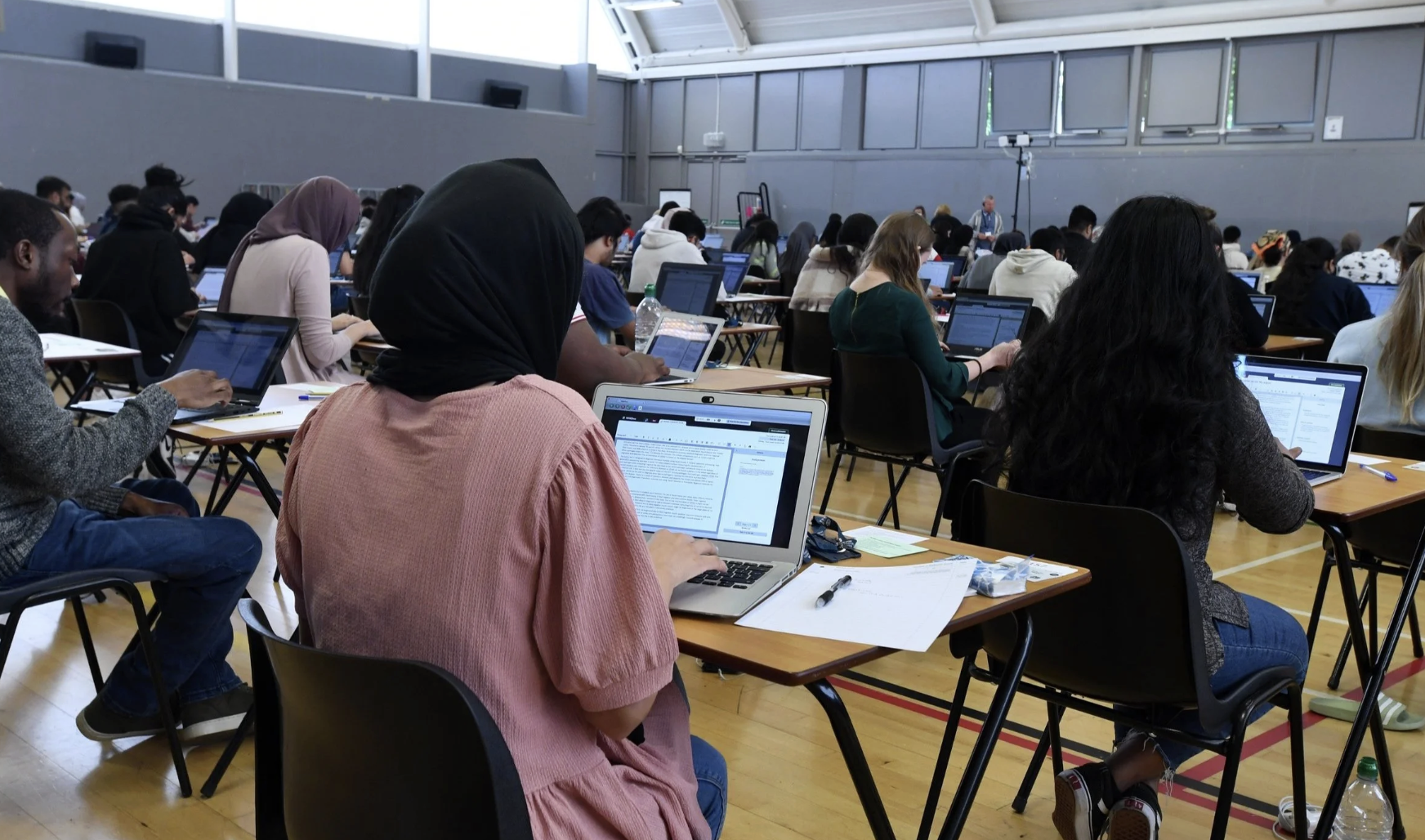
For universities across Europe, the question is no longer whether the need for specially arranged exams is growing. It clearly is. The more important question is whether institutions are equipped to respond in a way that is academically robust, operationally sustainable and genuinely student-centred. In that conversation, the ability to manage extra time, alternative arrangements and remote supervision intelligently is no longer a niche capability. It is becoming a core requirement of modern assessment.
Continue the conversation
If your institution is reviewing how it delivers special arrangements - from extra time and alternative venues to digitally supported remote invigilation - we would be glad to continue the conversation. WISEflow helps universities operationalise these processes in a way that is structured, scalable and student-centred. If you would like to explore what that could look like in practice, get in touch with us for a conversation or a demonstration of WISEflow’s capabilities.
We are here to help
Whether you are just starting with digital assessment or want to get more out of it, we are happy to share how other institutions run it in practice. Please reach out or request a demo.

Frequently asked questions
Demand is rising due to increased awareness and disclosure of disabilities, neurodivergence, and health conditions, alongside growing expectations for inclusive and accessible assessment.
No. Special arrangements aim to remove barriers that are irrelevant to the competence being assessed, ensuring all students are evaluated against the same academic expectations.
Typical adjustments include extra time, rest breaks, alternative rooms, accessible digital formats, assistive technologies, and, in some cases, remote exam options.
At scale, coordinating hundreds of individual adjustments manually is complex and error‑prone, making it difficult to ensure fairness, consistency, and efficiency during exam periods.
Platforms like WISEflow help automate and manage adjustments such as extra time and candidate‑specific workflows, allowing institutions to deliver support in a structured and scalable way.
Remote proctoring enables students who cannot attend traditional exam settings to be assessed in controlled environments, improving flexibility while maintaining fairness and security.